Samriddhi
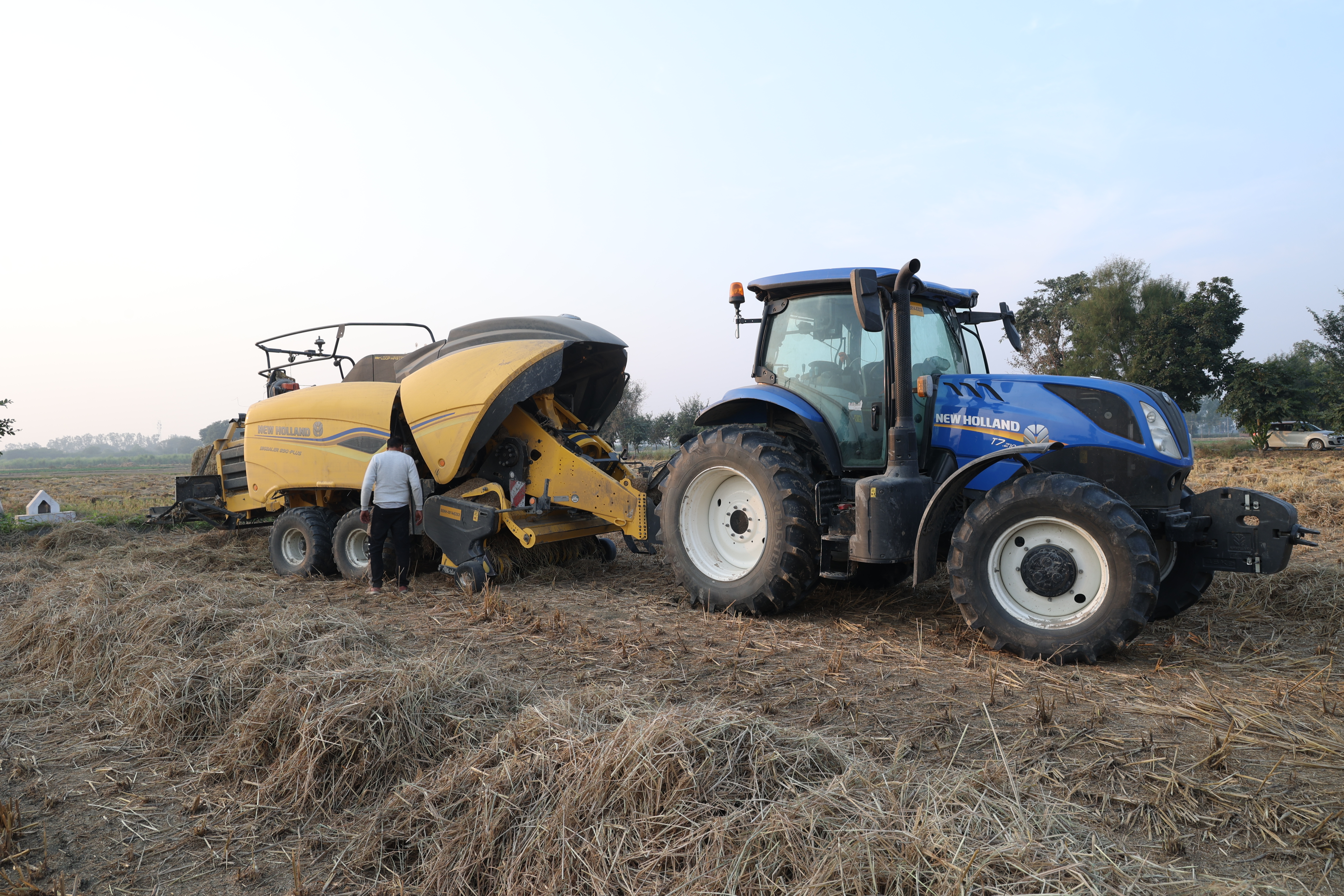
Samriddhi Launched in 2024 in partnership with PNB MetLife, “Project Samriddhi” aims to promote sustainable farming practices in rural Haryana by combining Crop Residue Management (CRM) with women-led livelihood development under the rice–wheat cropping system. Implemented across 20 villages in the Jind and Uchana blocks, the project focuses on reducing stubble burning while creating income-generating opportunities for women through the productive use of crop residue.
The initiative brings together key stakeholders, including the Department of Agriculture, Haryana, District Administration, Jind, Self-Help Group (SHG) Department, Custom Hiring Centres (CHCs), service providers, and local farmers, to drive community-based sustainable solutions. Its major objectives include reducing Active Fire Locations (AFLs), increasing awareness about the environmental impact of residue burning, and promoting both in-situ and exsitu CRM practices for cleaner and more sustainable agriculture.
A major highlight of the project is the establishment of the Samriddhi Skill Centre, where 30 SHG women received training to transform paddy residue (parali) into handicraft products, creating livelihood opportunities through waste-to-value initiatives. The project also includes stakeholder consultations, Focus Group Discussions (FGDs), village awareness campaigns, one-on-one farmer interactions, CRM machinery support, and coordinated field activities to strengthen on-ground impact.
Key Achievements
Environmental Impact
- 5,000+ tonnes of crop residue diverted from burning.
- ₹1 crore worth of residue prevented from being burnt.
- Avoided release of 8 million kg of greenhouse gases (GHGs).
- Improved adoption of eco-friendly in-situ and ex-situ CRM solutions
- Strengthened community awareness on air quality and soil health.
Economic & Social Empowerment
- 30 women trained in parali-based handicrafts, establishing new income pathways.
- Product diversification achieved through multiple SKUs developed at SSC.
- Improved confidence, mobility, and decision-making among SHG women.
- Initial government orders and exhibitions supported early-stage market linkages.
Community Behavior Change
- Strong participation from farmers in CRM demonstrations and sensitization meetings.
- Enhanced readiness to adopt cleaner, climate-smart alternatives.
- Strengthened collaboration across farmers, service providers, and local governance.