Blog Details
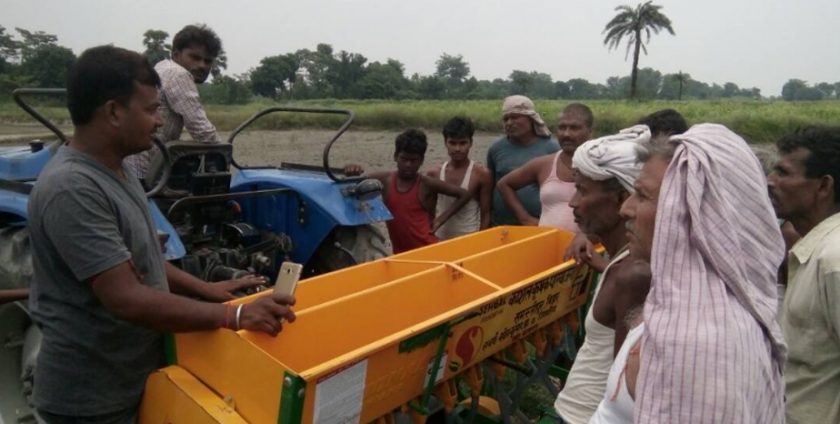
Sustainable development initiatives are becoming increasingly crucial in our quest to address the pressing challenges of poverty, environmental degradation, and social inequality. These initiatives aim to meet the needs of the present without compromising the ability of future generations to meet their own needs. At the Foundation for Development Initiatives (FDI), we have dedicated over two decades to implementing sustainable development initiatives that foster community growth and resilience. Explore what sustainable development initiatives are, their importance, and how they contribute to the growth and well-being of communities.
Understanding Sustainable Development Initiatives
Sustainable development initiatives are projects and programs designed to achieve long-term economic, social, and environmental sustainability. These initiatives focus on creating solutions that balance the needs of people and the planet, ensuring that progress today does not come at the expense of future generations. The core principles of sustainable development include:
1. Environmental Protection: Ensuring that natural resources are conserved and ecosystems are preserved.
2. Social Equity: Promoting fairness and equality, ensuring that all members of society have access to opportunities and resources.
3. Economic Viability: Creating economic opportunities that are sustainable and do not lead to the depletion of resources.
Sustainable development initiatives often align with the United Nations’ Sustainable Development Goals (SDGs), a global framework adopted in 2015 to address a wide range of issues from poverty and hunger to climate action and clean energy.
Key Components of Sustainable Development Initiatives
1. Environmental Sustainability: Initiatives that focus on environmental sustainability aim to protect and restore ecosystems, reduce pollution, and promote the sustainable use of natural resources. This includes projects like reforestation, renewable energy development, and water conservation.
2. Social Sustainability: Social sustainability initiatives work towards improving the quality of life for all community members, with a particular focus on marginalized and vulnerable populations. These initiatives might include access to education, healthcare, and social services, as well as efforts to promote gender equality and social inclusion.
3. Economic Sustainability: Economic sustainability involves creating stable and long-term economic opportunities that provide livelihoods without depleting resources. This can include initiatives such as supporting small businesses, promoting sustainable agriculture, and developing skills training programs.
The Importance of Sustainable Development Initiatives
Sustainable development initiatives are essential for several reasons:
1. Long-Term Benefits: Unlike short-term projects that provide immediate but temporary relief, sustainable development initiatives aim for long-term benefits. They create enduring solutions that continue to provide benefits well into the future.
2. Resource Conservation: By focusing on the sustainable use of resources, these initiatives help conserve vital natural resources for future generations. This is crucial in a world facing climate change, deforestation, and other environmental challenges.
3. Community Resilience: Sustainable development initiatives strengthen community resilience by addressing the root causes of poverty and inequality. This helps communities withstand economic, social, and environmental shocks.
4. Empowerment and Ownership: These initiatives often involve the active participation of community members, fostering a sense of ownership and empowerment. When communities are involved in the planning and implementation of projects, they are more likely to be committed to their success and sustainability.
5. Holistic Approach: Sustainable development initiatives take a holistic approach, addressing multiple interrelated issues simultaneously. This leads to more comprehensive and effective solutions that benefit the community as a whole.
How Sustainable Development Initiatives Help in Community Growth?
1. Economic Growth and Livelihoods
One of the primary ways sustainable development initiatives foster community growth is by creating economic opportunities and improving livelihoods. For instance, FDI’s programs often include vocational training and support for small businesses. By equipping community members with skills and resources, these initiatives enable individuals to secure stable employment and generate income.
For example, in our agricultural development projects, we introduce sustainable farming techniques that increase crop yields and reduce dependency on chemical inputs. Farmers are trained in organic farming, agroforestry, crop residue management, direct seeding of rice (DSR) and water-efficient irrigation methods. These practices not only enhance productivity but also protect the environment, leading to more sustainable livelihoods.
2. Improved Health and Well-Being
Health is a critical component of sustainable development. Initiatives that focus on improving healthcare access, sanitation, and nutrition have profound impacts on community growth. The health initiatives include building clinics, providing vaccinations, and training local health workers. These efforts reduce disease prevalence, improve maternal and child health, and increase life expectancy.
Additionally, access to clean water and proper sanitation is essential for preventing waterborne diseases. The water and sanitation projects ensure that communities have reliable access to safe drinking water and hygienic facilities. This not only improves health outcomes but also enhances productivity, as healthy individuals can work and childrens can attend school more regularly.
3. Education and Skill Development
Education is a cornerstone of sustainable development. Initiatives that focus on improving access to quality education and skill development empower individuals and drive community growth. Education Development programs generally include building schools, training teachers, and providing scholarships. Investing in education enables children and adults to acquire knowledge and skills that open up new opportunities.
Moreover, skill development programs tailored to local economic needs help bridge the gap between education and employment. For instance, training programs in sectors like renewable energy, information technology, and sustainable agriculture equip community members with the skills needed for emerging job markets.
4. Environmental Stewardship
Protecting the environment and addressing climate change are integral to sustainable development. Initiatives that focus on reforestation, waste management, renewable energy, and sustainable land use help communities mitigate and adapt to environmental challenges.
For example, most of the reforestation projects not only combat deforestation but also provide communities with resources like timber, fruits, and medicinal plants. Renewable energy projects, such as installing solar panels, reduce reliance on fossil fuels and provide communities with clean, affordable energy. These initiatives enhance environmental sustainability while creating economic and social benefits.
5. Social Inclusion and Equity
Sustainable development initiatives strive to create inclusive communities where all members have equal access to opportunities and resources. This involves addressing social inequalities and promoting the rights of marginalized groups. FDI’s initiatives often include programs aimed at empowering women, youth, and minority groups.
For instance, women’s empowerment programs focus on enhancing women’s economic opportunities, improving access to education and healthcare, and promoting gender equality. By addressing the specific needs and challenges faced by women, these programs contribute to more equitable and resilient communities.
6. Community Empowerment and Participation
Community participation is a key element of sustainable development. When community members are actively involved in the planning, implementation, and monitoring of initiatives, they are more invested in their success. This participatory approach fosters a sense of ownership and ensures that projects are tailored to the actual needs of the community.
Approach to community empowerment includes conducting needs assessments, organizing community meetings, and involving local leaders in decision-making processes. Giving community members a voice ensures that the initiatives are relevant, effective, and sustainable.
Case Studies: Sustainable Development Initiatives in Action
1. Renewable Energy Project in Rural Villages
In a rural village where electricity was scarce, FDI implemented a renewable energy project to provide sustainable power solutions. Solar panels were installed on community buildings, and residents were trained in their maintenance. This initiative not only provided a reliable source of electricity but also reduced the community’s reliance on expensive and polluting fossil fuels.
With access to electricity, local businesses flourished, and students could study after dark, improving educational outcomes. The project also created jobs for local technicians who maintained the solar panels, contributing to economic growth and sustainability.
2. Sustainable Agriculture Initiative
In another community, FDI introduced a sustainable agriculture initiative to address food insecurity and environmental degradation. Farmers were trained in organic farming techniques, crop diversification, and soil conservation methods. Demonstration plots were established to showcase the benefits of these practices.
As a result, farmers experienced increased crop yields and reduced costs associated with chemical fertilizers and pesticides. The initiative also promoted biodiversity and improved soil health, leading to more resilient agricultural systems. The success of the project inspired neighboring communities to adopt similar practices, amplifying the impact.
1. Training for Farmers to Promote Safety Measures During Agro-Chemical Application
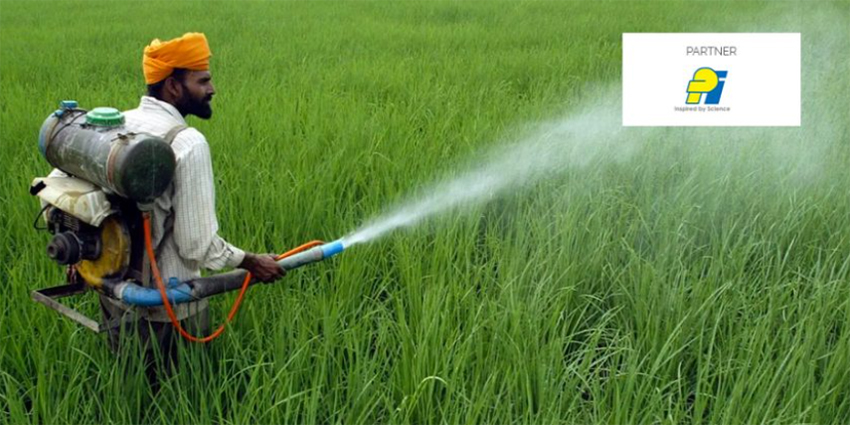
This initiative focuses on educating farmers about the safe and responsible use of agrochemicals. In many rural areas, the lack of knowledge about the proper application of pesticides and fertilizers has led to environmental degradation and health issues among farmers and their communities. FDI’s training programs provide farmers with essential information on the correct usage, storage, and disposal of agrochemicals, helping to reduce the negative impacts of these substances on the environment and human health.
Through this initiative, farmers have learned how to minimize their reliance on chemical inputs by adopting integrated pest management techniques, which combine biological, cultural, and chemical methods to control pests in a more sustainable way. The program also emphasizes the importance of personal protective equipment (PPE) for farmers, reducing their exposure to harmful chemicals and improving their overall health and well-being.
2. Harit Dhara Saaf Vayu: Empowering Communities, Sustaining Lives
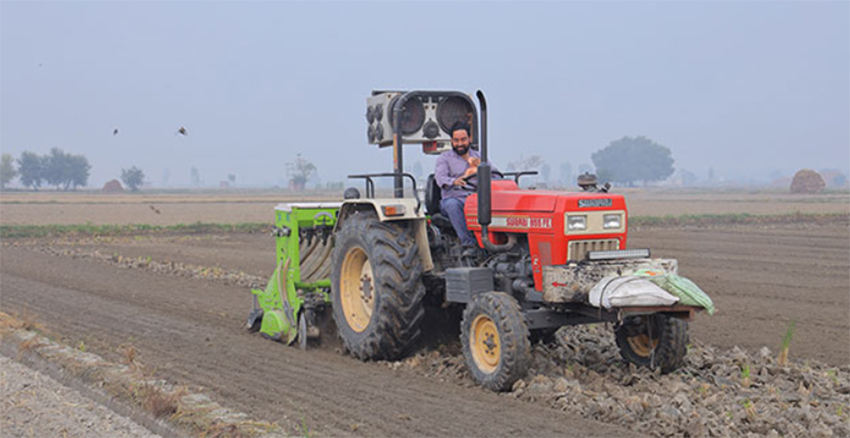
The “Harit Dhara Saaf Vayu” initiative is a community-driven program aimed at improving air quality and promoting sustainable agricultural practices. This initiative addresses the issue of air pollution caused by the burning of crop residues, a common practice in many parts of rural India. Crop residue burning not only contributes to air pollution but also results in the loss of valuable organic matter that could be used to improve soil fertility.
FDI’s approach involves training farmers in alternative methods of crop residue management, such as composting, mulching, and the use of crop residues as animal feed. By adopting these practices, farmers can reduce air pollution, improve soil health, and increase their agricultural productivity. The initiative also includes awareness campaigns to educate the broader community about the environmental and health impacts of crop residue burning and the benefits of sustainable alternatives.
3. Crop Residue Management (CRM) Initiative
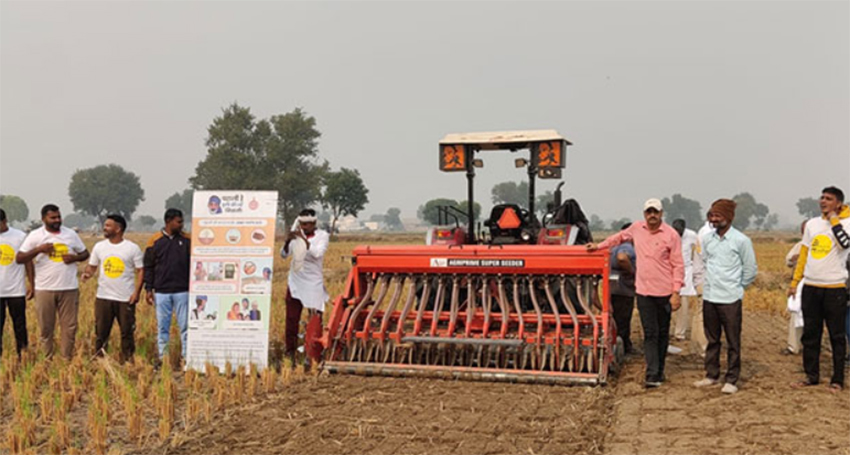
The CRM initiative is another example of FDI’s commitment to sustainable agriculture and rural empowerment. This program focuses on finding innovative solutions to the problem of crop residue management, which is a major challenge for farmers in many parts of India. Crop residues, such as straw and stubble, are often burned after harvest to clear the fields for the next crop, leading to severe air pollution and the release of greenhouse gases.
Through the CRM initiative, FDI promotes the use of machinery and technologies that allow farmers to manage crop residues more effectively. This includes the use of equipment like the Happy Seeder, which sows seeds directly into the soil without the need to remove or burn crop residues. The initiative also encourages farmers to use crop residues as fodder for livestock, as mulch to conserve soil moisture, or to produce bioenergy, providing additional income streams for rural communities.
By adopting these practices, farmers can reduce their environmental impact, improve soil fertility, and enhance their overall agricultural productivity. The CRM initiative also highlights the importance of collaboration between farmers, government agencies, and non-governmental organizations in addressing the challenges of sustainable agriculture.
The Path Forward: Scaling Sustainable Development
While the impact of FDI’s initiatives is evident in the communities where they are implemented, scaling these efforts to reach more rural areas is essential for achieving widespread sustainable development. The following strategies can help expand the reach and effectiveness of sustainable agriculture initiatives:
1. Strengthening Partnerships: Collaboration between governments, NGOs, private sector entities, and local communities is critical for the success of sustainable development initiatives. By working together, these stakeholders can pool resources, share knowledge, and create more comprehensive and impactful programs.
2. Leveraging Technology: Advances in technology, particularly in the areas of digital agriculture and precision farming, offer new opportunities for improving agricultural productivity and sustainability. FDI’s initiatives already incorporate technology to some extent, but there is potential to expand the use of digital tools and platforms to reach more farmers and provide them with real-time information and support.
3. Policy Advocacy: Effective policies are needed to support sustainable agriculture and rural empowerment. FDI can play a role in advocating for policies that promote sustainable practices, provide financial incentives for farmers, and ensure access to markets and resources for rural communities.
4. Community Engagement and Education: Building awareness and understanding of sustainable practices is essential for their adoption. Continued efforts to educate and engage rural communities, particularly women and youth, will help ensure the long-term success of sustainable development initiatives.
Conclusion
Rural empowerment and sustainable agriculture are intertwined goals that are essential for the development of India’s rural communities. By adopting sustainable farming practices and empowering rural populations, we can address the challenges of poverty, food insecurity, and environmental degradation. The Foundation for Development Initiatives (FDI) is dedicated to advancing these goals through its comprehensive programs, which include capacity building, access to resources, market linkages, and community engagement. The success of FDI’s initiatives, as demonstrated by the case studies discussed, underscores the importance of sustainable development in driving rural empowerment and agricultural growth. As we look to the future, scaling these efforts and expanding their impact will be key to building a more sustainable and equitable rural economy in India.
FAQ
Sustainable development in agriculture involves adopting farming practices that are environmentally sound, economically viable, and socially equitable. It ensures that agriculture can meet the needs of the present without compromising the ability of future generations to meet their own needs.
Sustainable agriculture empowers rural communities by providing them with the knowledge, tools, and resources needed to improve their farming practices, increase productivity, and enhance their economic stability. It also promotes social inclusiveness by ensuring that all members of the community, including women and marginalized groups, have access to opportunities and resources.
Examples of sustainable farming practices include crop rotation, organic farming, integrated pest management, conservation tillage, and the use of renewable energy sources. These practices help maintain soil fertility, reduce environmental impact, and improve the resilience of farming systems.
The Foundation for Development Initiatives (FDI) promotes sustainable agriculture through various initiatives that focus on educating farmers, providing them with access to modern technologies, and encouraging the adoption of environmentally friendly practices. FDI also works to build market linkages and develop value chains that benefit rural farmers.
Community participation is crucial in sustainable agricultural development as it ensures that the needs and perspectives of local farmers are considered in the planning and implementation of initiatives. When communities are actively involved, they are more likely to adopt and sustain the practices introduced, leading to long-term success.
Yes, some examples of FDI’s initiatives include the “Training for Farmers to Promote Safety Measures During Agro-Chemical Application,” the “Harit Dhara Saaf Vayu” program, and the “Crop Residue Management (CRM) Initiative.” These programs focus on educating farmers, promoting sustainable practices, and improving environmental health in rural communities.
Sustainable agriculture addresses climate change by reducing greenhouse gas emissions, conserving water, and improving soil health. Practices such as crop residue management, organic farming, and agroforestry contribute to carbon sequestration and reduce the overall environmental footprint of farming.
Sustainable agriculture can improve the livelihoods of rural farmers by increasing crop yields, reducing input costs, and providing access to new income opportunities through value-added products and market linkages. By adopting sustainable practices, farmers can achieve greater economic stability and resilience to market fluctuations.
Challenges include limited access to resources, lack of awareness or education about sustainable practices, resistance to change, and financial constraints. Addressing these challenges requires targeted interventions, capacity-building programs, and supportive policies.
The impact of sustainable development initiatives can be scaled by strengthening partnerships between governments, NGOs, and private sector entities, leveraging technology, advocating for supportive policies, and continuing to engage and educate rural communities. Expanding successful models to new regions can also help increase their reach and effectiveness.